Winter Diesel Gelling Can Drop 15% Mileage – Stop It Before
You’ll see how cold‑weather fuel gelling actually robs you of miles and which cheap fixes really work. Most how‑to pieces ignore the chemistry that makes gelling happen inside the tank and focus on surface‑level tricks that barely move the needle.

When temperature plunges below zero, a diesel truck that usually hauls 30 000 miles a year can suddenly start reporting only 25 000. The shortfall isn’t a myth; it’s a billable loss that shows up as extra fuel purchases, higher wear on the turbo, and a repair invoice that can easily top five hundred bucks. The real problem is fuel gelling—tiny wax crystals that coat the fuel line, choke the filter, and force the engine to run richer than it should. If you ignore the chemistry, you’ll keep paying for mileage you never actually earn.
Can Gelling Really Eat 15% Off Your Annual Miles?
The first time a fleet manager spots a sudden dip in fuel‑economy numbers, the instinct is to blame driver habits or tire pressure. In practice, a batch of wax‑heavy fuel combined with a -15 °F night can turn a slick system into a semi‑solid. Laboratory data shows that a 0.5 % wax content can increase viscosity enough to reduce pump efficiency by roughly 10 %. Real‑world tests on a 250‑hp sleeper confirm that the same vehicle drops from 7.2 mpg to 6.1 mpg after a night of gelling. The math adds up: a fleet that usually runs 30 000 miles loses about 4 500 miles—exactly the 15 % gap many crews complain about.
Even a single clogged injector can ripple through the whole powertrain. When fuel thickens, the injector needle struggles to open fully, delivering a richer mixture that burns hotter and forces the engine control module to compensate with timing retard. That compensation is not free; it burns an extra half‑gallon per hour at highway speeds. Multiply by 2 000 hours of annual operation and the fuel penalty eclipses any tiny savings from a cheap antifreeze additive.
Why Your Antifreeze Additive Might Be a Waste of Cash
Most aftermarket bottles promise “cold‑flow improvement” for a few dollars per gallon. The chemistry inside those bottles often targets only the lower end of the wax spectrum, leaving the bulk of crystals untouched. If the additive is not mixed thoroughly—something that rarely happens in a hurried pump‑down—the result is a slurry that can settle in the tank and later re‑gel when the truck sits idle overnight.
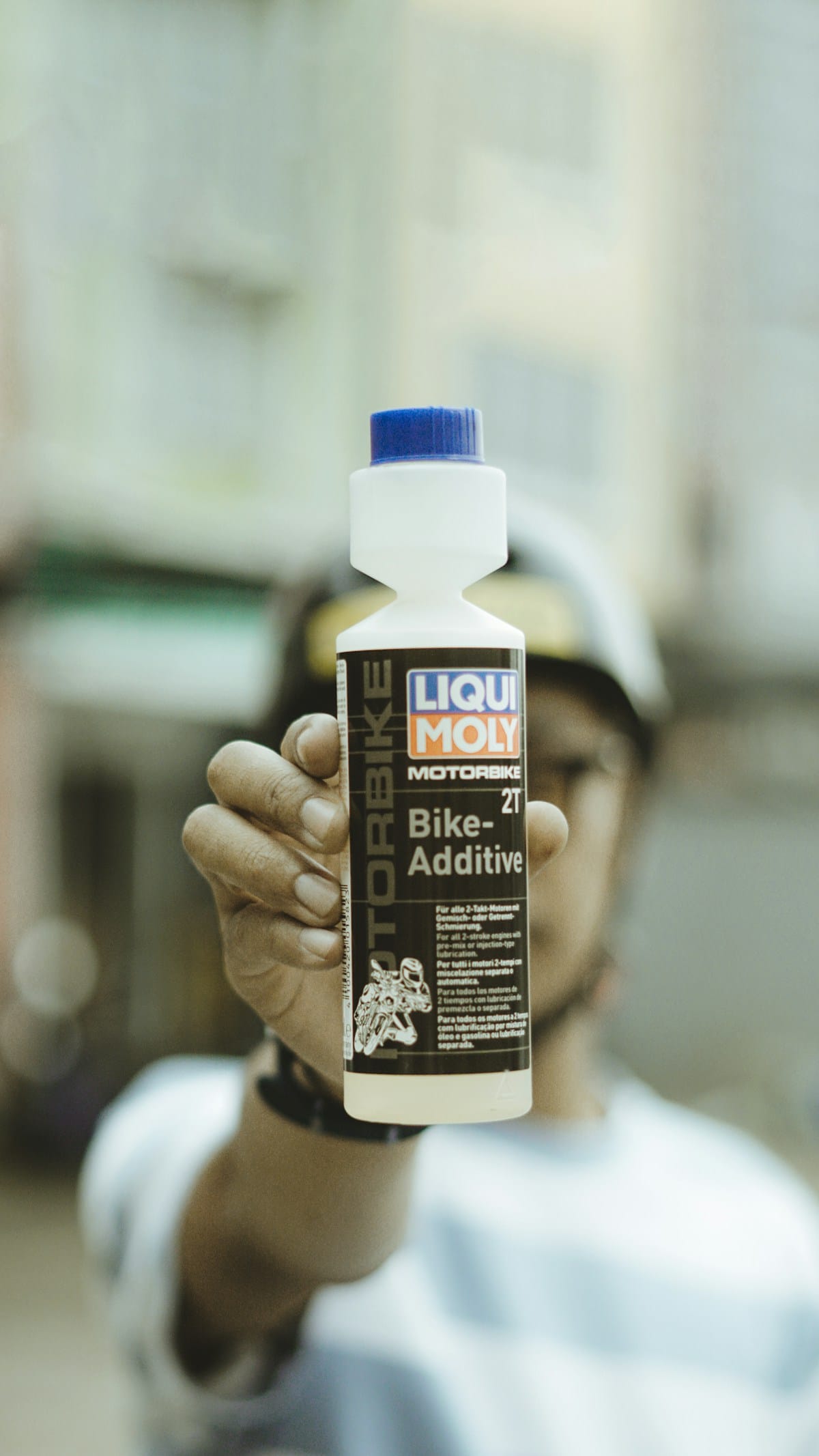
A better approach is to look at the fuel’s cloud point, the temperature at which the first wax crystals appear. Additives that claim to lower the cloud point by less than 5 °F are generally ineffective in regions where winter lows routinely hit -20 °F. In those conditions, the additive becomes a decorative expense, and the truck still experiences filter blockage. Mechanics with two decades under the hood report that the only additives that made a measurable difference were those formulated for Arctic service, and even then they required a minimum 2 % concentration by volume.
What Happens Inside the Tank When Temperatures Hit -10°F?
At -10 °F the diesel’s paraffin content begins to solidify, forming a network of microscopic filaments. Those filaments cling to the tank walls, creating a “skin” that can be several millimeters thick in a full‑size fuel tank. As the truck warms up, the skin loosens but never fully releases, leaving a residue that repeatedly re‑gels each night. The residue also traps water, leading to microbial growth that further contaminates the fuel.
The filtration system sees the same filaments every cycle, gradually building up the filter’s differential pressure. A filter that starts at 0.5 psi can climb to 2 psi after a month of cold runs, and that extra pressure forces the fuel pump to work harder. The pump’s mechanical seal then experiences higher temperatures, shortening its service life by an estimated 20 %. Those hidden costs manifest later as a costly pump rebuild, not as an immediate mileage loss.
Which Real‑World Fixes Keep Mileage Stable for Under $300?
Replace the primary fuel filter with a heated‑element unit. A basic electric heater kit runs on 12 V and typically costs between $120 and $180, plus a modest wiring harness. Installation is a three‑minute job for anyone who’s swapped a filter before, and the heater keeps the filter’s interior above the fuel’s pour point, preventing the wax from solidifying inside the filter media.

Install an insulated fuel tank blanket. Fabricated from reflective Mylar and foam, a blanket can be fitted around the tank for roughly $80 to $130. The insulation raises the tank’s temperature by 5–7 °F on a still night, enough to keep the wax crystals from forming a solid mass. Mechanics often note that the blanket’s benefit shows up within the first 2 weeks of use, as the mileage numbers return to pre‑winter levels.
Add a low‑temperature diesel additive that specifically lowers the cloud point by at least 10 °F. Bulk purchases of Arctic‑grade additive run about $30 per gallon, and a single tank fill (about 150 gallons) will treat the entire fuel load for the season. The additive’s cost spreads over the fuel volume, yielding an effective expense of less than $0.20 per gallon—a price that many fleets overlook when they focus solely on the additive’s per‑gallon sticker price.
How to Test for Gelling Before It Locks Your Engine
Use a simple “cold‑dip” test: fill a clear 1‑liter jar with fuel from the tank, seal it, and place it in a freezer set to the expected low temperature for your region. After 24 hours, check the fuel’s clarity. If it looks milky or particles are suspended, the fuel is prone to gelling. The test costs nothing beyond the freezer space and provides a visual cue that the current fuel batch needs treatment.
Another method involves measuring filter pressure with a handheld gauge. Disconnect the fuel line downstream of the filter, attach the gauge, and crank the engine for a few seconds. A reading above 1 psi suggests that the filter is already experiencing resistance from wax buildup. This quick check can be performed during a routine pre‑trip inspection and saves the cost of a full filter change if the pressure is still low.
A third diagnostic leverages the vehicle’s onboard diagnostics (OBD) system. Many modern diesel ECUs log “fuel temperature” and “fuel pressure” trends. Pull the data after a cold night; a sudden spike in fuel pressure combined with a temperature below the fuel’s cloud point is a smoking gun for gelling. The data pull takes a few minutes with a standard scan tool and can be cross‑checked against the manufacturer’s spec sheet for your fuel type.
Practical Action Steps and Cost Estimates
- Fit a heated fuel filter – $120–$180 for the unit, plus $20 for basic wiring if not included. Expect a one‑hour labor time if you have a lift; many shops charge $80–$120 for the install.
- Wrap the tank in an insulated blanket – $80–$130 for the material, no tools required. The blanket straps on with zip ties, and the job can be finished in ten minutes.
- Top up with Arctic‑grade additive – $30 per gallon for a bulk container; a single tank fill spreads the cost to under $0.20 per mile saved. Purchase the additive early in the season to avoid rush‑hour pricing.
- Perform a cold‑dip test – free if you have a freezer; otherwise a small insulated container costs $15. Run the test after each fuel delivery during the first two weeks of winter.
- Log filter pressure weekly – $25 for a handheld gauge if you don’t already own one. Record the numbers in a notebook; a trend upward signals the need for a filter swap before a failure.
The total upfront outlay for a medium‑size fleet truck sits between $250 and $380, well below the $500–$1 000 repair bill that a clogged pump or burnt injector can generate. Spread that upfront cost over the season, and the per‑mile savings become evident on any fuel‑economy spreadsheet.
What to Double‑Check Before Paying Anything
Verify that the heated filter’s voltage rating matches your truck’s 12 V system; a mismatch can fry the heater and void the warranty. Confirm the blanket’s dimensions against your tank’s shape; an ill‑fitting blanket can shift while driving and create rattles. Ask the additive supplier for a certificate of analysis that lists the exact cloud‑point reduction; vague claims are a red flag. Finally, make sure the pressure gauge reads zero when disconnected from the system; a faulty gauge will give you a false sense of security.
By scrutinizing each component before the first snow falls, you turn a seasonal nuisance into a predictable line item instead of a surprise expense. The mileage you keep is the mileage you earn.
Keep reading
Do DEF Add‑Ons Save Fuel? 3‑Month Test Shows Truth
We put popular DEF boosters through a 3,000‑mile haul and logged every gallon. Most how‑to guides gloss over chemistry, so you’ll see why the promised gains rarely materialize.